- Ringraziamenti ricevuti 0
OFFERTE DI PRODOTTI VIA MAIL O MP
In un forum che tratta di salute e malattie, può succedere che improvvisamente qualcuno offra la soluzione tanto agognata, via mail o via messaggio privato.
DIFFIDATE sempre, controllate, ricercate e chiedete. Chiedete ad altri foristi se per caso conoscono questo prodotto, chiedete se esistono dei test e delle testimonianze attendibili.
In questa area del forum potrete trovare le ricerche scientifiche inerenti alle vitamine ed ai minerali.
Domanda Stress: vera causa principale di tutte le malattie?
- atima
-
 Autore della discussione
- Nuovo Utente
-

Less
Di più
10 Anni 10 Mesi fa - 10 Anni 10 Mesi fa #44219
da atima
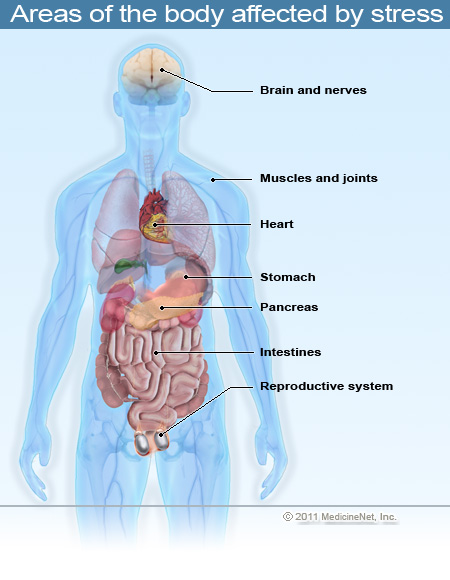
www.ncbi.nlm.nih.gov/pmc/articles/PMC3341916/
www.medicinenet.com/stress/article.htm
I problemi fisici legati allo stress cronico includono l'abbassamento della risposta immunitaria, tensione muscolare cronica e aumento della pressione sanguigna. Questi problemi possono portare a gravi malattie mortali, come attacchi di cuore, malattie renali e cancro. Holmes e Rahe e altri hanno trovato che gli individui che hanno subito una serie di eventi stressanti della vita nel corso di un anno hanno una probabilità molto più alta di sviluppare questi tipi di malattia grave, nel giro di pochi anni di eventi, di individui non-ha sottolineato. Durante la metà 1970, la ricerca di Mason et al. E Lazzaro ha dimostrato che esistono enormi differenze individuali nel modo in cui gli individui rispondono agli stimoli di stress che producono.
UNA CURIOSITA ' COME UNA FORTISSIMA CONFEMA
paura >>> forte stress >>>>.....
www.encanta.it/terapie_nat31.html
Incanutimento improvviso da stress
Un forte stress può incidere sulla pigmentazione dei capelli? "Ho letto sul Corsera che un forte stress può incidere sulla pigmentazione dei capelli 'sbiancandone' alcuni nel giro di pochissimi giorni: fino ad allora pensavo che fosse solo una credenza popolare (sul tipo 'capelli che diventano bianchi in poche ore') ma l'articolo mi ha fatto ricredere. Conferma che è possibile che ciò accada? In particolare l'articolo lasciava intendere che alcuni capelli , lunghi e assolutamente pigmentati prima dell'evento stressante, perdessero la pigmentazione diventando interamente bianchi già dopo pochi giorni dopo lo stress subìto (!) Quindi come si può spiegare che un capello lungo e pigmentato perda la sua pigmentazione pochi giorni dopo uno stress sufficientemente forte ? Se non ricordo male l'articolo accennava ad un processo elettrochimico causato dallo stress che farebbe imbiancare tutto il fusto di alcuni capelli lunghi e pigmentati (...non tanto in poche ore, come vuole la tradizione popolare , ma in pochi giorni): come stanno le cose?" Paolo
Il fenomeno che lei riporta è certamente particolare e interessante, vi sono molte testimonianze al riguardo e anche a una mia conoscente è successa una cosa del genere fortunatamente di entità limitata. Evidentemente ci deve essere una spiegazione che esuli dal normale processo di incanutimento, l'ipotesi che lei riporta può essere interessante anche se c'è da capire meglio come la cosa in effetti avvenga, personalmente non ho mai approfondito questo argomento ma una spiegazione deve esserci per questo fenomeno così particolare ma evidentemente reale, cercherò, se possibile, di reperire l'articolo a cui fa riferimento per avere maggiori chiarimenti.
Stress: vera causa principale di tutte le malattie? è stato creato da atima
www.ncbi.nlm.nih.gov/pmc/articles/PMC3341916/
www.medicinenet.com/stress/article.htm
I problemi fisici legati allo stress cronico includono l'abbassamento della risposta immunitaria, tensione muscolare cronica e aumento della pressione sanguigna. Questi problemi possono portare a gravi malattie mortali, come attacchi di cuore, malattie renali e cancro. Holmes e Rahe e altri hanno trovato che gli individui che hanno subito una serie di eventi stressanti della vita nel corso di un anno hanno una probabilità molto più alta di sviluppare questi tipi di malattia grave, nel giro di pochi anni di eventi, di individui non-ha sottolineato. Durante la metà 1970, la ricerca di Mason et al. E Lazzaro ha dimostrato che esistono enormi differenze individuali nel modo in cui gli individui rispondono agli stimoli di stress che producono.
UNA CURIOSITA ' COME UNA FORTISSIMA CONFEMA
paura >>> forte stress >>>>.....
www.encanta.it/terapie_nat31.html
Incanutimento improvviso da stress
Un forte stress può incidere sulla pigmentazione dei capelli? "Ho letto sul Corsera che un forte stress può incidere sulla pigmentazione dei capelli 'sbiancandone' alcuni nel giro di pochissimi giorni: fino ad allora pensavo che fosse solo una credenza popolare (sul tipo 'capelli che diventano bianchi in poche ore') ma l'articolo mi ha fatto ricredere. Conferma che è possibile che ciò accada? In particolare l'articolo lasciava intendere che alcuni capelli , lunghi e assolutamente pigmentati prima dell'evento stressante, perdessero la pigmentazione diventando interamente bianchi già dopo pochi giorni dopo lo stress subìto (!) Quindi come si può spiegare che un capello lungo e pigmentato perda la sua pigmentazione pochi giorni dopo uno stress sufficientemente forte ? Se non ricordo male l'articolo accennava ad un processo elettrochimico causato dallo stress che farebbe imbiancare tutto il fusto di alcuni capelli lunghi e pigmentati (...non tanto in poche ore, come vuole la tradizione popolare , ma in pochi giorni): come stanno le cose?" Paolo
Il fenomeno che lei riporta è certamente particolare e interessante, vi sono molte testimonianze al riguardo e anche a una mia conoscente è successa una cosa del genere fortunatamente di entità limitata. Evidentemente ci deve essere una spiegazione che esuli dal normale processo di incanutimento, l'ipotesi che lei riporta può essere interessante anche se c'è da capire meglio come la cosa in effetti avvenga, personalmente non ho mai approfondito questo argomento ma una spiegazione deve esserci per questo fenomeno così particolare ma evidentemente reale, cercherò, se possibile, di reperire l'articolo a cui fa riferimento per avere maggiori chiarimenti.
Ultima Modifica 10 Anni 10 Mesi fa da atima.
Si prega Accesso o Crea un account a partecipare alla conversazione.
- atima
-
Autore della discussione
- Nuovo Utente
-
Less
Di più
- Ringraziamenti ricevuti 0
10 Anni 10 Mesi fa #44227
da atima
Risposta da atima al topic Stress: vera causa principale di tutte le malattie?
Stress May Cause Illness By Changing Genes
Published: Tuesday 21 August 2012 at 12am PST 185 Like379
Anxiety / Stress Genetics Psychology / Psychiatry add your opinionemailMNT featuredAcademic journal
A new study suggests that acute psychological stress, which is known to increase the risk of physical and mental illness, may do so by altering the control of genes.
A report on the study, thought to be the first to show that stress alters the methylation of DNA and thus the activity of certain genes, appeared online in the journal Translational Psychiatry on 14 August.
Researchers from the Ruhr-Universität Bochum (RUB), together with colleagues from Basel, Trier and London, looked at gene segments that are known to be involved with the control of biological stress.
One of the most important discoveries in genetics is epigenetics, or the "second code" that regulates gene activity.
Research is beginning to show that epigenetic changes could be involved in the development of some chronic diseases such as cancer or depression.
While the genome, the genetic code or DNA, for making a human being is more or less fixed once the sperm fertilizes the egg, it is the epigenome that decides how the blueprint is interpreted.
Think of the genome as being the construction manual for making all the proteins the body needs, and the epigenome as the construction or maintenance guy reading the manual: sometimes he will have off days when he is tired and makes mistakes, or just interprets the instructions differently.
Cells function by making proteins. Which proteins they produce depends on the cell type, which is set by genes, and the environment, which influences how the epigenome reads the genes. One way this happens is via methyl groups (CH3) that attach to sections of DNA: these can remain in place for quite a while, even after the cell divides.
Previous studies have shown that psychological trauma in early life and highly stressful events are associated with long-term methylation changes to DNA.
But what the researchers in this study wanted to find out was whether this also happens after acute psychological stress: for instance such as that experienced during a job interview.
For their study, they looked at two genes: one for the oxytocin receptor (OXTR), and one for the nerve growth factor Brain-Derived Neurotrophic Factor (BDNF).
The OXTR is a docking site in the central nervous system for the neurotransmitter oxytocin, a chemical messenger that has been dubbed the "love" or "trust hormone" or "anti-stress hormone".
BDNF plays an important role in the development and cross-linking of brain cells.
The researchers invited 76 participants in their sixties to undergo two types of stressful event: one was to to take part in a mock job interview, and the other was to solve arithmetic problems under observation. Both these tests are commonly used to produce stress under lab conditions.
The participants gave blood samples before the tests, and also twice afterwards: one ten minutes after (post-test), and another 1.5 hours after (follow-up). From these the researchers could measure the amount of DNA methylation in the two genes.
They found that the BDNF gene remained unaffected by any of the stress tests.
But the OXTR gene showed methylation changes. There was an increase in methylation in a section of the OXTR gene in the post-test measure: this suggests the cells formed fewer receptors.
And then in the follow-up measure 1.5 hours after the test, methylation in the OXTR gene dipped below the pre-test level: this suggests the cells produced too many receptors.
The researchers conclude:
"The results suggest a dynamic regulation of DNA methylation in OXTR - which may in part reflect changes in blood cell composition - but not BDNF after acute psychosocial stress."
Senior and corresponding author Gunther Meinlschmidt, is professor and Head of the Research Department of Psychobiology, Psychosomatics and Psychotherapy at the LWL University Hospital in RUB. He told the press the study shows:
"Epigenetic changes may well be an important link between stress and chronic diseases."
"We hope to identify more complex epigenetic stress patterns in future and thus to be able to determine the associated risk of disease. This could provide information on new approaches to treatment and prevention," he added.
Funds from the German Research Foundation and the Swiss National Science Foundation helped pay for the study.
Published: Tuesday 21 August 2012 at 12am PST 185 Like379
Anxiety / Stress Genetics Psychology / Psychiatry add your opinionemailMNT featuredAcademic journal
A new study suggests that acute psychological stress, which is known to increase the risk of physical and mental illness, may do so by altering the control of genes.
A report on the study, thought to be the first to show that stress alters the methylation of DNA and thus the activity of certain genes, appeared online in the journal Translational Psychiatry on 14 August.
Researchers from the Ruhr-Universität Bochum (RUB), together with colleagues from Basel, Trier and London, looked at gene segments that are known to be involved with the control of biological stress.
One of the most important discoveries in genetics is epigenetics, or the "second code" that regulates gene activity.
Research is beginning to show that epigenetic changes could be involved in the development of some chronic diseases such as cancer or depression.
While the genome, the genetic code or DNA, for making a human being is more or less fixed once the sperm fertilizes the egg, it is the epigenome that decides how the blueprint is interpreted.
Think of the genome as being the construction manual for making all the proteins the body needs, and the epigenome as the construction or maintenance guy reading the manual: sometimes he will have off days when he is tired and makes mistakes, or just interprets the instructions differently.
Cells function by making proteins. Which proteins they produce depends on the cell type, which is set by genes, and the environment, which influences how the epigenome reads the genes. One way this happens is via methyl groups (CH3) that attach to sections of DNA: these can remain in place for quite a while, even after the cell divides.
Previous studies have shown that psychological trauma in early life and highly stressful events are associated with long-term methylation changes to DNA.
But what the researchers in this study wanted to find out was whether this also happens after acute psychological stress: for instance such as that experienced during a job interview.
For their study, they looked at two genes: one for the oxytocin receptor (OXTR), and one for the nerve growth factor Brain-Derived Neurotrophic Factor (BDNF).
The OXTR is a docking site in the central nervous system for the neurotransmitter oxytocin, a chemical messenger that has been dubbed the "love" or "trust hormone" or "anti-stress hormone".
BDNF plays an important role in the development and cross-linking of brain cells.
The researchers invited 76 participants in their sixties to undergo two types of stressful event: one was to to take part in a mock job interview, and the other was to solve arithmetic problems under observation. Both these tests are commonly used to produce stress under lab conditions.
The participants gave blood samples before the tests, and also twice afterwards: one ten minutes after (post-test), and another 1.5 hours after (follow-up). From these the researchers could measure the amount of DNA methylation in the two genes.
They found that the BDNF gene remained unaffected by any of the stress tests.
But the OXTR gene showed methylation changes. There was an increase in methylation in a section of the OXTR gene in the post-test measure: this suggests the cells formed fewer receptors.
And then in the follow-up measure 1.5 hours after the test, methylation in the OXTR gene dipped below the pre-test level: this suggests the cells produced too many receptors.
The researchers conclude:
"The results suggest a dynamic regulation of DNA methylation in OXTR - which may in part reflect changes in blood cell composition - but not BDNF after acute psychosocial stress."
Senior and corresponding author Gunther Meinlschmidt, is professor and Head of the Research Department of Psychobiology, Psychosomatics and Psychotherapy at the LWL University Hospital in RUB. He told the press the study shows:
"Epigenetic changes may well be an important link between stress and chronic diseases."
"We hope to identify more complex epigenetic stress patterns in future and thus to be able to determine the associated risk of disease. This could provide information on new approaches to treatment and prevention," he added.
Funds from the German Research Foundation and the Swiss National Science Foundation helped pay for the study.
Si prega Accesso o Crea un account a partecipare alla conversazione.
- atima
-
Autore della discussione
- Nuovo Utente
-
Less
Di più
- Ringraziamenti ricevuti 0
10 Anni 10 Mesi fa #44228
da atima
Risposta da atima al topic Stress: vera causa principale di tutte le malattie?
Recent Pat Inflamm Allergy Drug Discov. 2009 Jan;3(1):73-80.
Chronic inflammation and oxidative stress as a major cause of age-related diseases and cancer.
Khansari N1, Shakiba Y, Mahmoudi M.
Author information
Abstract
Chronic inflammation is a pathological condition characterized by continued active inflammation response and tissue destruction. Many of the immune cells including macrophages, neutrophils and eosinophils are involved directly or by production of inflammatory cytokine production in pathology of chronic inflammation. From literatures, it is appear that there is a general concept that chronic inflammation can be a major cause of cancers and express aging processes. Moreover, many studies suggest that chronic inflammation could have serious role in wide variety of age-related diseases including diabetes, cardiovascular and autoimmune diseases. Inflammatory process induces oxidative stress and reduces cellular antioxidant capacity. Overproduced free radicals react with cell membrane fatty acids and proteins impairing their function permanently. In addition, free radicals can lead to mutation and DNA damage that can be a predisposing factor for cancer and age-related disorders. This article reviews the antioxidant defense systems, free radicals production and their role in cancer and age related diseases and also some of the recent patent relevant to the field. Study of the role of free radicals in human diseases can help the investigators to consider the antioxidants as proper agents in preventive medicine, especially for cancer and aging processes.
Chronic inflammation and oxidative stress as a major cause of age-related diseases and cancer.
Khansari N1, Shakiba Y, Mahmoudi M.
Author information
Abstract
Chronic inflammation is a pathological condition characterized by continued active inflammation response and tissue destruction. Many of the immune cells including macrophages, neutrophils and eosinophils are involved directly or by production of inflammatory cytokine production in pathology of chronic inflammation. From literatures, it is appear that there is a general concept that chronic inflammation can be a major cause of cancers and express aging processes. Moreover, many studies suggest that chronic inflammation could have serious role in wide variety of age-related diseases including diabetes, cardiovascular and autoimmune diseases. Inflammatory process induces oxidative stress and reduces cellular antioxidant capacity. Overproduced free radicals react with cell membrane fatty acids and proteins impairing their function permanently. In addition, free radicals can lead to mutation and DNA damage that can be a predisposing factor for cancer and age-related disorders. This article reviews the antioxidant defense systems, free radicals production and their role in cancer and age related diseases and also some of the recent patent relevant to the field. Study of the role of free radicals in human diseases can help the investigators to consider the antioxidants as proper agents in preventive medicine, especially for cancer and aging processes.
Si prega Accesso o Crea un account a partecipare alla conversazione.
- lu
-
- Offline
- Platino Utente
-

Less
Di più
- Messaggi: 879
- Ringraziamenti ricevuti 419
10 Anni 10 Mesi fa #44230
da lu
Risposta da lu al topic Stress: vera causa principale di tutte le malattie?
Ho conosciuto una persona che mi ha raccontato di essersi incanutita all'improvviso in giovane età a seguito di un episodio (un collega di lavoro le aveva teso un tranello pesante incolpandola ingiustamente di qualcosa che ora non ricordo e di cui aveva dovuto rendere conto al datore di lavoro).
Ho visto con i miei occhi una cosa ancora più incredibile:
un mio amico con i capelli castani perdere tutti i capelli a cui è seguita una ricrescita di capelli totalmente bianchi, a cui è seguita una ricrescita di capelli ancora castani.
Motivo sconosciuto. A mio fondato parere aveva subito uno stress per la morte di un amico anche se lui non l'aveva ammesso.
In questi due casi secondo me potrebbe aver giocato la paura.
Ho visto con i miei occhi una cosa ancora più incredibile:
un mio amico con i capelli castani perdere tutti i capelli a cui è seguita una ricrescita di capelli totalmente bianchi, a cui è seguita una ricrescita di capelli ancora castani.
Motivo sconosciuto. A mio fondato parere aveva subito uno stress per la morte di un amico anche se lui non l'aveva ammesso.
In questi due casi secondo me potrebbe aver giocato la paura.
Si prega Accesso o Crea un account a partecipare alla conversazione.
- atima
-
Autore della discussione
- Nuovo Utente
-
Less
Di più
- Ringraziamenti ricevuti 0
10 Anni 10 Mesi fa #44231
da atima
CONCORDO!
LO STRESS è LA CAUSA BASE DI MOLTISSIME MALATTIE
Risposta da atima al topic Stress: vera causa principale di tutte le malattie?
lu ha scritto: Ho conosciuto una persona che mi ha raccontato di essersi incanutita all'improvviso in giovane età a seguito di un episodio (un collega di lavoro le aveva teso un tranello pesante incolpandola ingiustamente di qualcosa che ora non ricordo e di cui aveva dovuto rendere conto al datore di lavoro).
Ho visto con i miei occhi una cosa ancora più incredibile:
un mio amico con i capelli castani perdere tutti i capelli a cui è seguita una ricrescita di capelli totalmente bianchi, a cui è seguita una ricrescita di capelli ancora castani.
Motivo sconosciuto. A mio fondato parere aveva subito uno stress per la morte di un amico anche se lui non l'aveva ammesso.
In questi due casi secondo me potrebbe aver giocato la paura.
CONCORDO!
LO STRESS è LA CAUSA BASE DI MOLTISSIME MALATTIE
Si prega Accesso o Crea un account a partecipare alla conversazione.
- lu
-
- Offline
- Platino Utente
-
Less
Di più
- Messaggi: 879
- Ringraziamenti ricevuti 419
10 Anni 10 Mesi fa - 10 Anni 10 Mesi fa #44232
da lu
Risposta da lu al topic Stress: vera causa principale di tutte le malattie?
atima , hai dimenticato di sottolineare " a cui è seguita una ricrescita di capelli ancora castani" che mi sembra la cosa più inquietante... 
Ultima Modifica 10 Anni 10 Mesi fa da lu. Motivo: aggiunta lettera mancante
Si prega Accesso o Crea un account a partecipare alla conversazione.
Tempo creazione pagina: 0.273 secondi